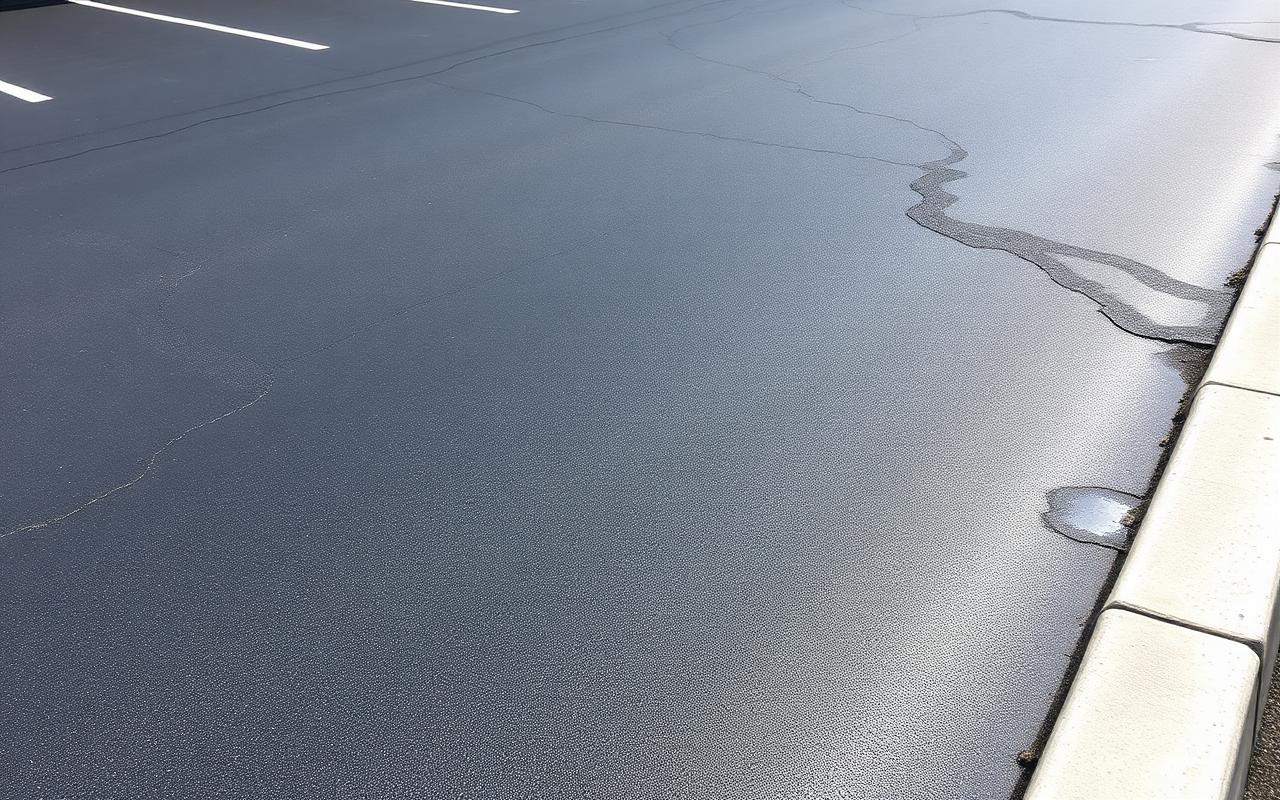
Sun, rain, oil and traffic break asphalt down faster than most property owners realize. A faded, gray, cracking lot is not just unattractive — it is asphalt losing the oils that hold it together, and every winter freeze-thaw makes the damage worse.
BLC Construction & Home Repair applies commercial-grade coal tar and asphalt emulsion sealcoating to driveways and parking lots throughout Fairview, Dickson, Waverly, Charlotte and Bon Aqua, TN. One coat restores the rich black look, fills hairline cracks and adds years of life to the pavement beneath it.
What's included
Driveway sealing
Residential driveways cleaned, edged and sealed with a uniform black finish.
Parking lot sealcoating
Commercial lots resealed to protect the surface and refresh curb appeal.
Crack filling
Hot and cold crack sealants routed into splits before water reaches the base.
Edge & curb prep
Weed and debris removal along edges so the sealer bonds cleanly.
Two-coat option
Heavier-traffic lots get a two-coat system for longer wear.
Line striping
Fresh striping applied once the sealcoat cures — see our parking lot striping page.
Why sealcoating pays for itself
Sealcoating is not paint — it is a protective wearing surface that slows oxidation, blocks oil and gas from eating the binder, and keeps water out of the aggregate base. A pavement that gets sealed every two to three years commonly lasts twice as long as one that does not, which makes it one of the highest-return maintenance dollars a property owner in Middle Tennessee can spend.
Timing matters. We sealcoat when the pavement is clean, dry and the overnight lows stay above 50 degrees so the sealer cures properly. We also tell you plainly when a lot is past sealcoating and needs patching or full resurfacing instead.
What to expect on sealcoat day
We blow and broom the surface, fill cracks, treat oil spots with a primer, then squeegee or spray the sealer evenly. The lot is blocked off until it cures — usually 24 to 48 hours depending on weather — and we reopen it on a schedule that fits your business or household traffic.
For commercial lots we can phase the work in sections so you never lose every stall at once.
Recent work
Asphalt Sealcoating FAQs
How often should I sealcoat?
Most driveways and light-traffic lots do well on a two-to-three-year cycle. Heavy-traffic commercial lots may need it sooner.
Can you sealcoat over cracks?
We fill cracks first. Sealer alone will not bridge an open crack — water will still get in and widen it over winter.
How long before I can drive on it?
Typically 24 to 48 hours, depending on temperature and humidity. We tell you the exact cure time for your day.